Source Custom Engraved Acrylic Marble Dice for Games
Find 30 listings for custom engraved acrylic marble dice suitable for board games, party promotions, and educational activities. Compare options from suppliers in China offering various sizes, shapes, and engraving styles to match your specific project requirements; compare the available evidence and request quotations based on your requirements.
Key considerations
Products List




Comprehensive Sourcing Guide
Custom Engraved Acrylic Marble Dice Sourcing Guide
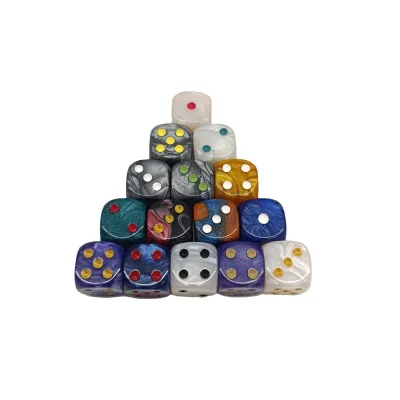
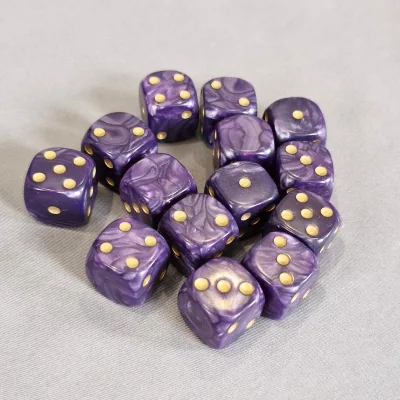
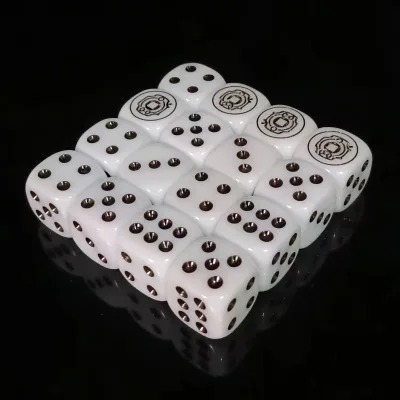
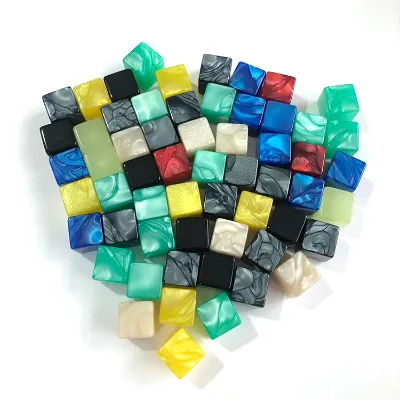
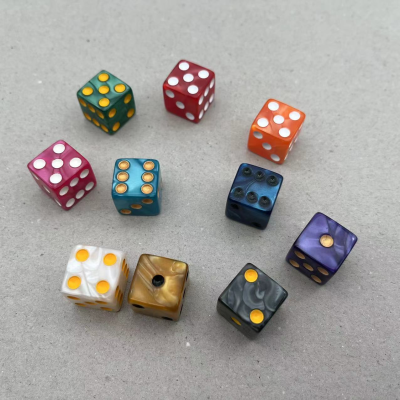
Procurement teams evaluating custom engraved acrylic marble dice must first distinguish between standard molded units and those featuring specialized surface treatments like hand-painting or UV printing. The observed market data indicates a primary material composition of acrylic, often paired with resin or wood in broader custom listings, which dictates the specific engraving depth and finish quality required for board game applications. Buyers should verify that the selected supplier can consistently produce the 16mm marble color pearlized finish observed in current listings while maintaining the structural integrity needed for repeated rolling in tabletop gaming scenarios.
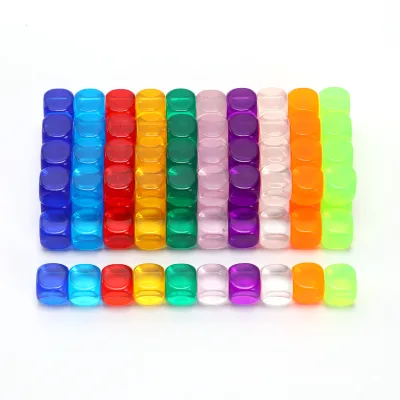
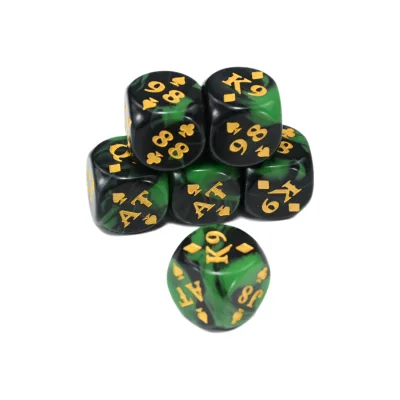
Strategic sourcing requires balancing the aesthetic demand for pearlized and multicolored finishes against the functional need for durability and waterproofing. While some listings highlight eco-friendly features and CE certification, others emphasize luxury styles with dragons and dungeons themes, suggesting a wide variance in target demographics ranging from children to adult collectors. Sourcing managers must define whether the priority is mass-market promotional utility or high-end RPG accessories, as this decision directly influences the selection of suppliers capable of delivering the specific craft techniques, such as engraving versus etching, required for the final product.
Product Scope and Observed Listing Signals
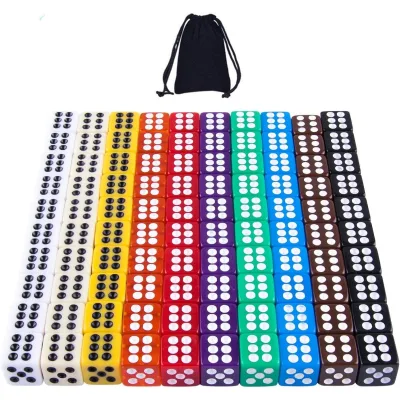
The current market landscape for these dice reveals a significant divergence in component counts and player configurations, with listings offering single items, sets of seven, or ten pieces to accommodate different game mechanics. Buyers must carefully align their order specifications with the intended application, noting that some products are explicitly designed for six-player board games while others support broader tabletop gaming or decision-making activities. The observed size range spans from 12mm to 22mm, including custom options, which necessitates precise communication regarding the physical dimensions required for specific game boards or dice towers.
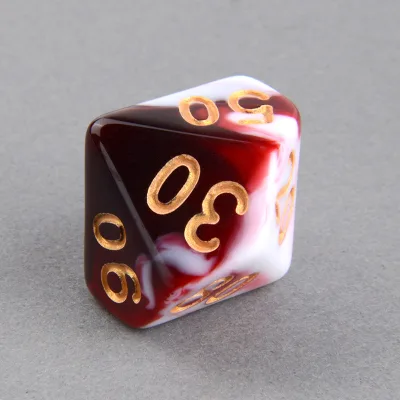
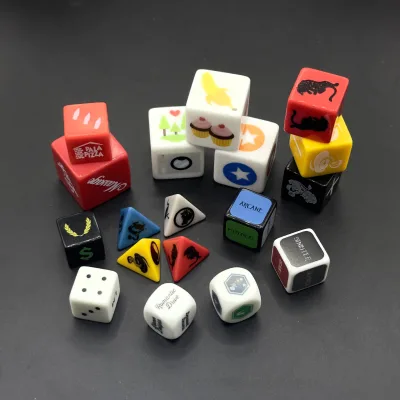
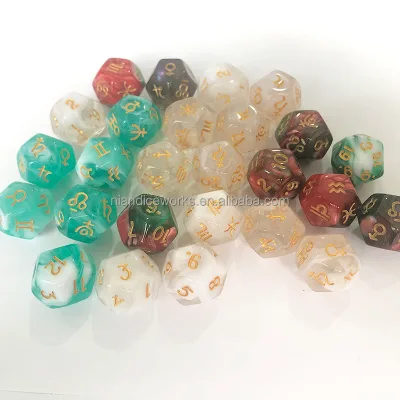
Listing signals also indicate a strong emphasis on customization capabilities, with suppliers offering various shapes including hexahedrons, polyhedrons, and custom forms like D4 or D20 sides. The presence of multiple craft descriptions, such as polished, hand-painted, and engraved surfaces, suggests that buyers should expect variable lead times and quality checks depending on the chosen aesthetic finish. Procurement teams should scrutinize the "Selling Units" and "Number of Pieces" fields to ensure the purchased quantity matches the actual game requirements, avoiding over-ordering single items when a complete set is necessary for the intended entertainment or educational use.
Technical Specifications to Verify
Technical verification must begin with the material composition, as the core listings specify acrylic but also include resin, wooden, and metal options in broader custom categories. Buyers should request material safety data sheets to confirm the specific acrylic grade used, ensuring it meets the durability and waterproofing claims observed in the product attributes. The surface finish is equally critical, with options ranging from UV printing and silk-screening to hand-painting and polishing; each method impacts the longevity of the engraved numbers and the tactile feel of the dice during gameplay.
Dimensional accuracy and shape consistency are paramount for fair gameplay, requiring verification of the single package size and gross weight against the stated model numbers like BM-D016 or FS-YD-Dice01. The observed single gross weight of 0.005 kg for a 1.6cm cube provides a baseline for density checks, but buyers must confirm that custom sizes maintain proportional weight to prevent bias in rolling outcomes. Additionally, the verification of the "Side" configuration, whether D6, D8, or D20, ensures the dice meet the specific geometric requirements of the target game, preventing compatibility issues with existing game sets or custom dice towers.
Compliance and Safety Documentation
Compliance verification is essential given the diverse age groups targeted, ranging from children to adults, which necessitates adherence to strict safety standards. The observed CE certification for specific models indicates a baseline for European market entry, but buyers must confirm that this certification covers the specific material batch and surface treatments used in their custom order. For products intended for younger demographics, additional testing for small parts and chemical composition may be required to ensure the dice do not pose choking hazards or contain harmful substances, even if the general listing claims eco-friendly attributes.
Documentation should also address the manufacturing origin, as listings cite both Fujian and Guangdong provinces in China, which may influence regulatory compliance and supply chain transparency. Buyers should request proof of origin and any relevant factory audits to ensure that the production process adheres to international labor and environmental standards. Furthermore, verifying the "Condition" as new and the "Feature" of being easily cleaned is crucial for maintaining hygiene, particularly for dice used in educational settings or shared party environments where frequent handling occurs.
Cost Drivers and Commercial Terms
Cost structures for custom engraved acrylic dice are heavily influenced by the complexity of the surface treatment and the chosen material composition. While standard molded acrylic dice may fall within the lower end of the observed price range, options featuring hand-painting, UV printing, or custom shapes like polyhedrons will incur higher unit costs due to the additional labor and specialized equipment required. Buyers should anticipate that the "Customization" availability, including specific colors and themes, will directly impact the final price, necessitating a clear definition of scope before requesting formal quotations.
Commercial terms must account for the wide range of observed Minimum Order Quantities (MOQs), which span from single items to 10,000 units, reflecting the flexibility of the supplier base. Procurement teams should negotiate based on the specific "Selling Units" and "Number of Pieces" required, as bulk orders for sets of seven or ten may offer better economies of scale than single-item purchases. Additionally, the "Sample" availability and the "Packaging" requirements, such as shrink wrap, foam, or custom cartons, should be factored into the total landed cost to ensure the final product arrives in pristine condition for its intended application.
Supplier Qualification and Quality Control
Supplier qualification should prioritize manufacturers with demonstrated experience in producing dice for board games, gambling, and educational applications, as these sectors demand high precision and consistency. Buyers must verify the supplier's capability to handle the specific "Craft" techniques observed, such as engraving, molding, and polishing, ensuring they possess the necessary machinery and skilled labor to execute custom designs without compromising the structural integrity of the acrylic. The presence of multiple brand names like Brighting and Yuda suggests a competitive market, but buyers should focus on the specific production capabilities rather than brand recognition alone.
Quality control protocols must include rigorous inspection of the "Shape," "Color," and "Theme" consistency across the entire batch, particularly for custom orders involving multicolor or specific dragon and dungeon themes. Suppliers should provide a clear process for verifying the "Single package size" and "Single gross weight" to ensure dimensional accuracy and weight uniformity, which are critical for fair gameplay. Additionally, buyers should establish a defect rate threshold and a clear return policy for items that fail to meet the specified "Feature" requirements, such as durability or waterproofing, to mitigate the risk of receiving substandard products.
Long-Term Procurement Checks
Long-term procurement strategies should focus on establishing a reliable supply chain that can consistently deliver custom dice with the required "Style" and "Feature" attributes over multiple production cycles. Buyers should conduct periodic audits of the supplier's production lines to ensure that the "Surface" treatments, such as UV printing or hand-painting, remain consistent in quality and color accuracy. This ongoing verification is essential for maintaining brand reputation, especially when the dice are used for promotional events or as gifts where the visual appeal and tactile quality are paramount.
Sustainability and adaptability are also key considerations for long-term partnerships, given the "Eco-Friendly" features observed in some listings and the potential for evolving market trends. Procurement teams should regularly review the supplier's ability to adapt to new material requirements or design changes, such as shifting from standard hexahedrons to polyhedral shapes for emerging RPG trends. By maintaining open communication and setting clear performance metrics, buyers can ensure a stable supply of high-quality custom dice that meets the dynamic needs of the board game and entertainment industries.
FAQs
What materials are used for custom engraved acrylic dice?
Custom dice are primarily made from acrylic, though resin, wood, and metal options are also available. Acrylic offers a marble-like finish with pearlized colors. These materials support various crafting techniques including engraving, molding, and hand-painting to achieve specific aesthetic results for board games and promotions.
Can I order custom engraved acrylic dice with specific certifications?
Yes, suppliers can provide dice with CE certification to meet safety standards. These products are often marketed as eco-friendly and durable. Buyers should verify specific certification documents with vendors to ensure compliance with regional regulations for toys and gaming accessories intended for educational or entertainment use.
What sizes are available for acrylic dice?
Standard sizes include 12mm, 16mm, 19mm, and 22mm, with custom dimensions also available. The 16mm size is common for board games. Single package sizes typically match the die dimensions, such as 1.6x1.6x1.6 cm for 16mm dice. Buyers can request specific sizes to fit their game design requirements.
How many players can use these custom dice?
These dice are suitable for 1 to 6 players, making them versatile for various board games. Sets often contain 7 or 10 pieces, including polyhedral shapes like D4, D6, D8, D10, D12, and D20. This flexibility supports tabletop gaming, casino activities, and decision-making games for diverse group sizes.
What customization options are available for acrylic dice?
Customization includes color, shape, and surface printing techniques like UV or silk-screen printing. Buyers can choose from square, round, or polyhedral shapes. Themes can be tailored for RPGs, D&D, or educational purposes. Packaging can also be customized with shrink wrap, foam, or cartons to meet specific branding needs.
Where are these custom dice manufactured?
Manufacturing locations include Fujian and Guangdong in China. These regions are known for producing acrylic and resin gaming accessories. Buyers can source directly from factories in these areas to ensure quality control and efficient logistics. Origin details should be confirmed with specific suppliers to align with sourcing preferences.